History
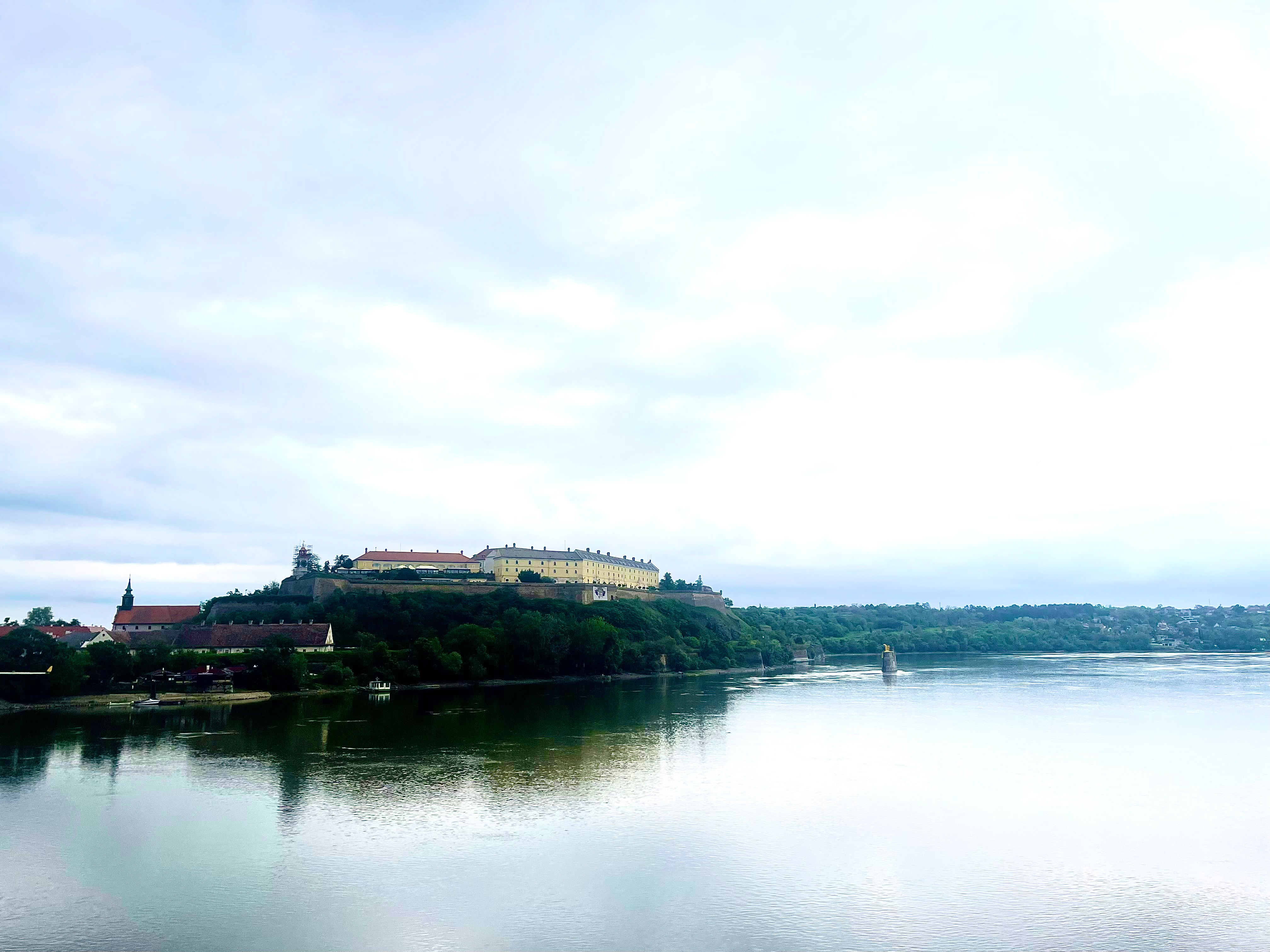
Founded in 1698, Novi Sad (New Plantation) began as a settlement for ethnic Serbs, because people of Orthodox faiths were prohibited from living in Petrovaradin, across the Danube. It is also home to the Matica Srpska, the first and largest instituion devoted to the preservation of Serbian national and cultural identity. Today, Novi Sad is a business and education center of nearly 400,000 people, and the most multi-cultural city in Serbia.
Culture
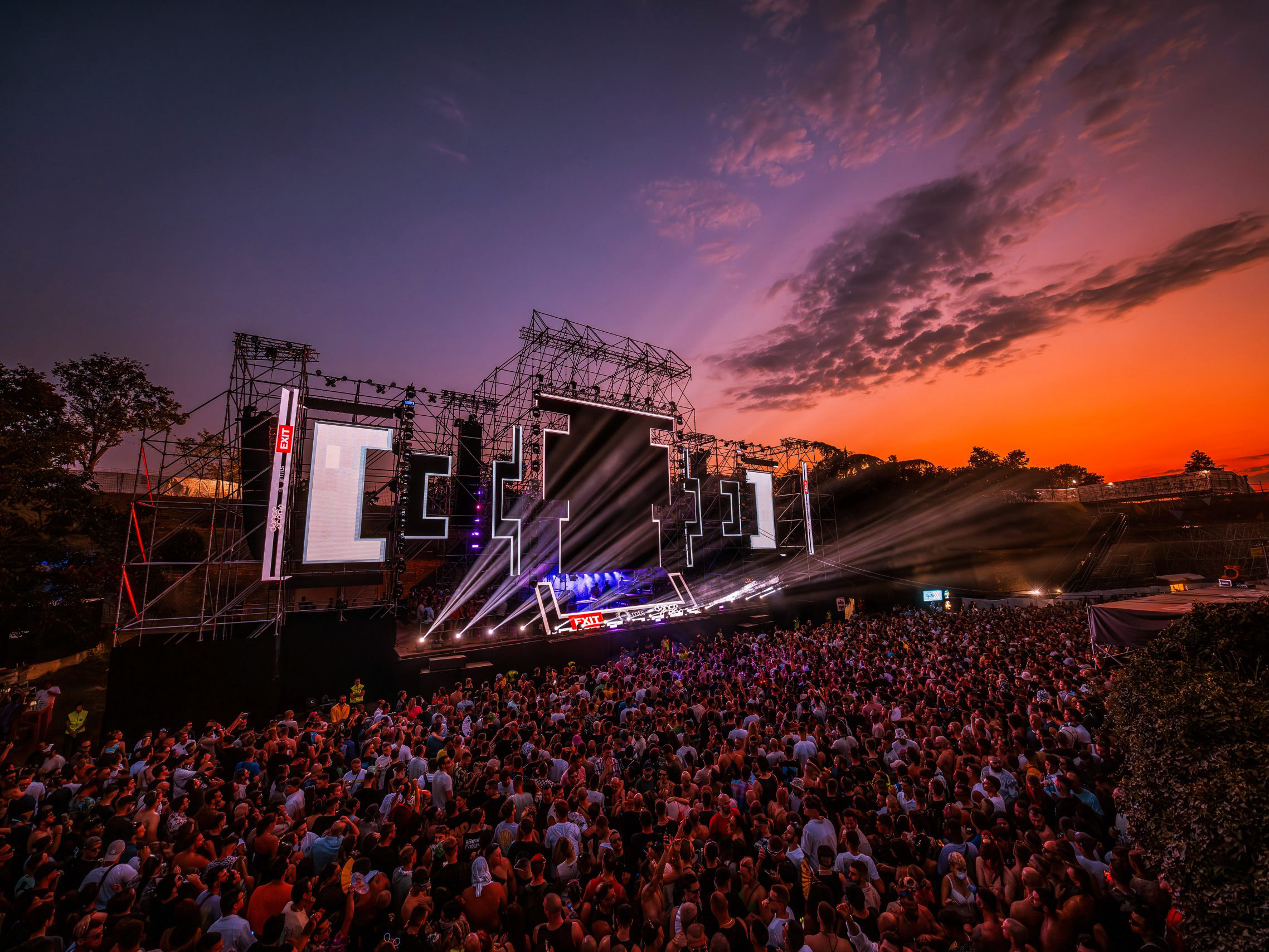
From the artifacts of long-departed civilizations to one of Europe's most spectacular music festivals, Novi Sad's cultural offerings have something for everyone. It's no wonder the city was chosen as the 2022 European Capital of Culture.
Exploration
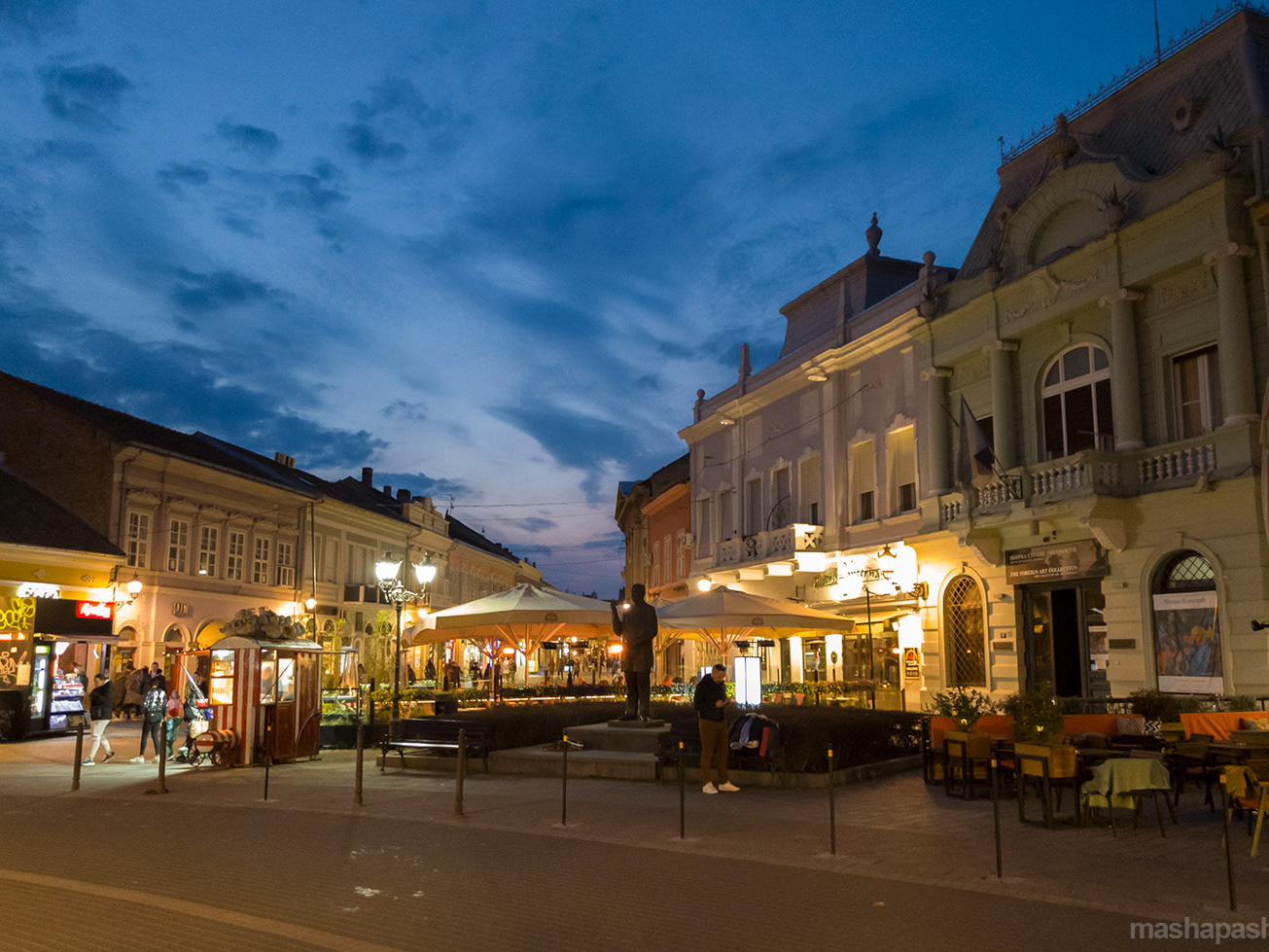
Unlike many of Europe's tourism hubs, Novi Sad is a city that likes to take its time. Walk the old city. Enjoy the cafe culture. (They're called Kafanas). Relish the slowness. The pleasure here is not about rushing to see everything, but in taking the time to experience things more deeply.
Restaurants
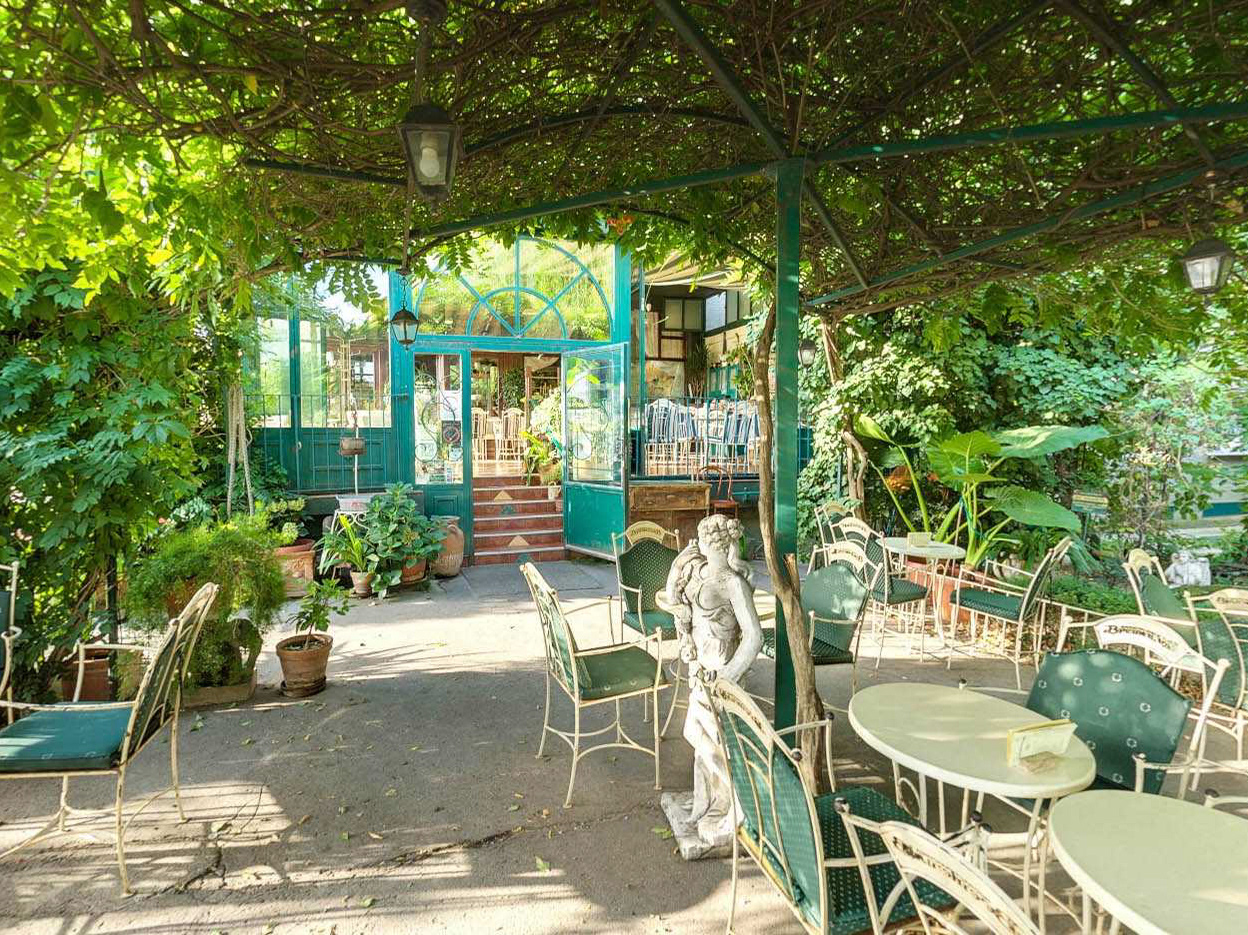
The food scene in Serbia and in Novi Sad has been on a meteoric rise in the past several years. In addition to a number of Michelin-starred and recommended restaurants, there is a new generation of chefs rediscovering the best of local ingredients and techniques. Explore and enjoy!
Wineries
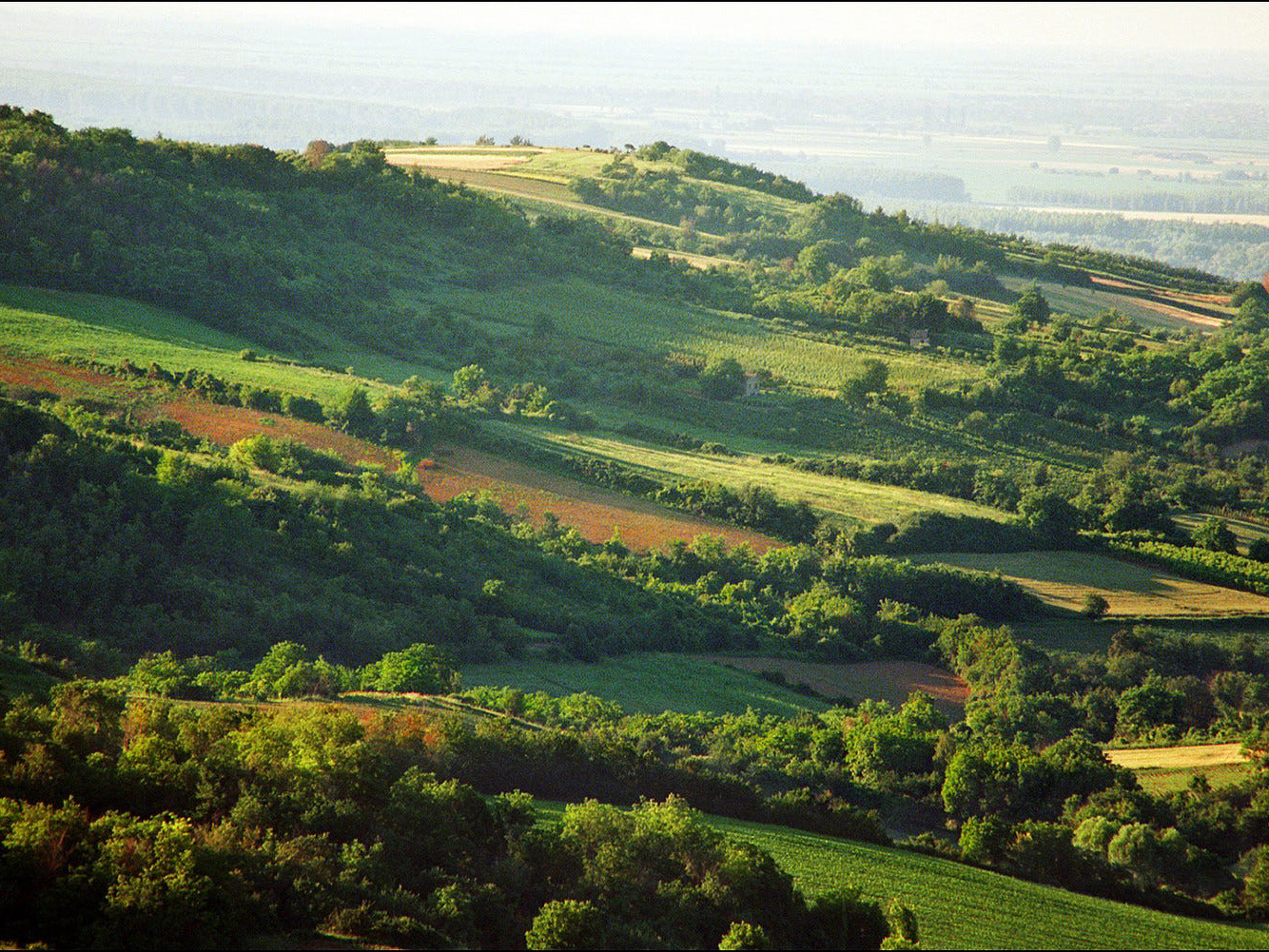
This region has a long history of wine production dating back to the Roman Empire. Today a number of distinctly Serbian wines are produced, along with wines more common to Western Europe. Worth trying are Grasac and Malvasia, both whites native to this region; Probus, a rich red; and Bermet, in red or white, an herb-infused dessert wine only made in Sremski Karlovci, where each family has their own unique recipe. These are some of our favourite wineries.